%20(1).png?width=250&height=45&name=logo-only-(black-and-tan%2c400px)%20(1).png "logo-only-(black-and-tan,400px) (1)")
Your Biggest Security Risk May Be One of Your Vendors
Most businesses assume their vendors are secure. This guide helps you find out for sure.
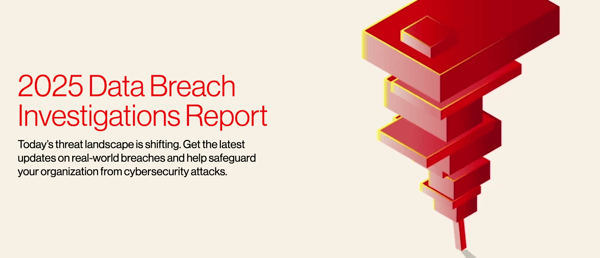
According to Verizon's 2025 Data Breach Investigations Report, third-party breaches doubled year-over-year, now accounting for nearly a third of all security incidents. Attackers have figured out that your vendors are often the path of least resistance into your network, and they're using it.
But for most small and mid-sized businesses, vendor security is still an afterthought. Assessments are inconsistent, documentation is scattered across different locations and it’s difficult to distinguish vendors who take security seriously from those who just say they do.
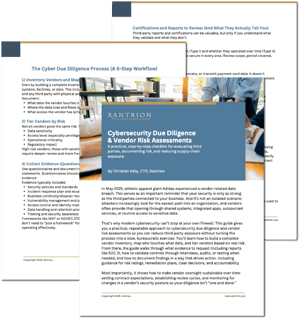
Cybersecurity Due Diligence & Vendor Risk Assessments
Our guide walks you through a practical, scalable process for evaluating the security posture of every third party with access to your data or systems.
- How to tier vendors by risk and concentrate your efforts on the highest-stakes relationships
- Which certifications to look for (SOC 2, PCI DSS, SSAE 18) and what they tell you
- Red flags that tell you to walk away immediately
- How often to reassess vendors, and what events should trigger an unscheduled review
- What AI adoption means for vendor risk, and why traditional assessments often miss it
- Documentation and accountability practices that satisfy auditors and leadership
Whether you're building a vendor risk program from scratch or tightening up an existing one, this guide gives you a clear framework to work from.